Brevard County mosquito control
Mosquito Control Services in Brevard County
Start with the outdoor space you need back: pool deck, lanai, dock, shaded yard, patio, or event area.
- Brevard County local context
- Clear scope and credential confirmation before scheduling
- Phone and service path visible on every page
Mosquito Control Services
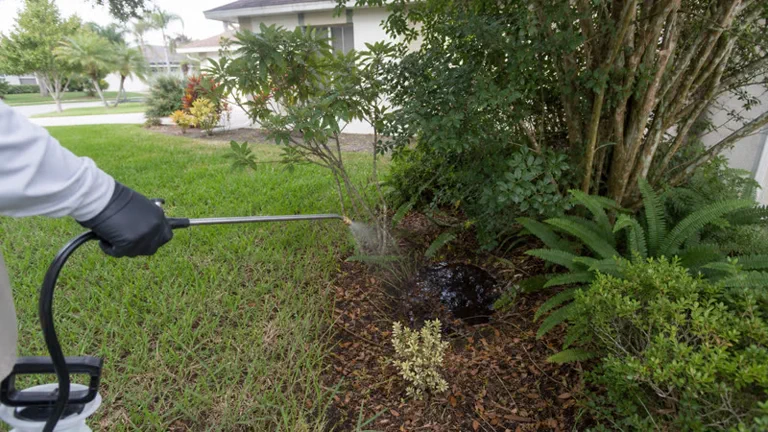
Mosquito control in Brevard County should begin with the areas people actually use: the lanai, pool deck, grill pad, outdoor kitchen, side yard, dock, patio table, dog area, and event setup zone. A service review that starts with those spaces is more useful than a generic property label.
A professional may ask about rain, irrigation, standing water, shaded plants, gutters, screens, entry gaps, pets, water features, and nearby canals or ponds. These details help sort a comfort issue from a recurring source problem and help set expectations before scheduling.
No-see-um requests need a slightly different lens. The bites can feel mysterious because the insect is hard to see. The call should focus on when bites happen, whether they occur inside a screen enclosure, and whether coastal or waterfront conditions are involved.
Event mosquito spraying requests need lead time. Weather, guest count, setup area, access, and product timing must be discussed before anyone can promise a schedule. The earlier you call, the more realistic the planning review becomes.
Recurring yard service may be different from a one-time event request. A weekly patio problem, rental complaint pattern, or pool deck that becomes unusable every evening may require a different estimate discussion than a single cookout.
The right estimate should explain what is included, what is not included, when service can happen, what credentials apply, and what the product or service limitations are. Clear expectations are better than a dramatic promise.
Details to have ready before the response
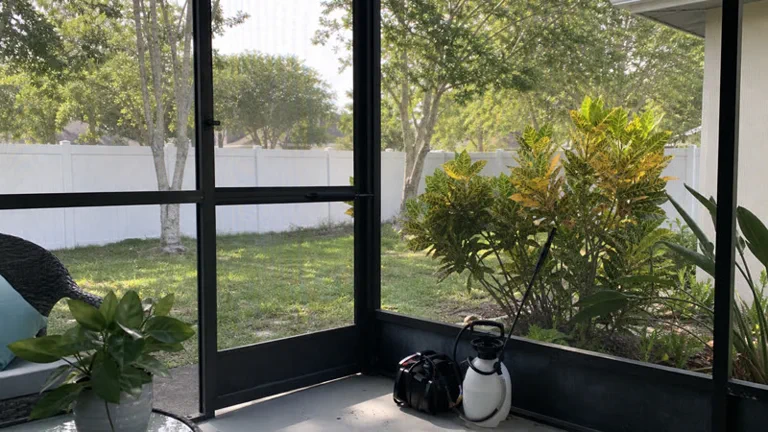
If the issue is near a lanai, mention whether bites happen inside the enclosure, at the door, near one corner, or outside near plants. That one detail can change the direction of the review.
If the issue is waterfront, mention dock use, canal exposure, wind direction if obvious, outdoor lighting, seating areas, and whether bites are worse after sunset.
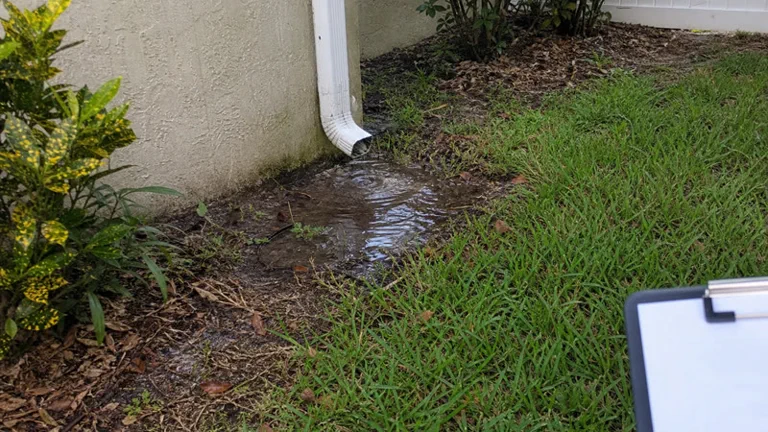
If the issue follows rain, mention gutters, planters, stored items, low paver areas, drainage dips, or containers that hold water. You do not need to diagnose the cause. Just share what you notice.
If the issue is for an event, mention the date, time, guest area, approximate guest count, and whether mosquitoes have already been a problem in that space.
Mosquito control in Brevard County should begin with the areas people actually use: the lanai, pool deck, grill pad, outdoor kitchen, side yard, dock, patio table, dog area, and event setup zone. A service review that starts with those spaces is more useful than a generic property label.
A professional may ask about rain, irrigation, standing water, shaded plants, gutters, screens, entry gaps, pets, water features, and nearby canals or ponds. These details help sort a comfort issue from a recurring source problem and help set expectations before scheduling.
No-see-um requests need a slightly different lens. The bites can feel mysterious because the insect is hard to see. The call should focus on when bites happen, whether they occur inside a screen enclosure, and whether coastal or waterfront conditions are involved.
Event mosquito spraying requests need lead time. Weather, guest count, setup area, access, and product timing must be discussed before anyone can promise a schedule. The earlier you call, the more realistic the planning review becomes.
Recurring yard service may be different from a one-time event request. A weekly patio problem, rental complaint pattern, or pool deck that becomes unusable every evening may require a different estimate discussion than a single cookout.
The right estimate should explain what is included, what is not included, when service can happen, what credentials apply, and what the product or service limitations are. Clear expectations are better than a dramatic promise.
If the issue is near a lanai, mention whether bites happen inside the enclosure, at the door, near one corner, or outside near plants. That one detail can change the direction of the review.
If the issue is waterfront, mention dock use, canal exposure, wind direction if obvious, outdoor lighting, seating areas, and whether bites are worse after sunset.
If the issue follows rain, mention gutters, planters, stored items, low paver areas, drainage dips, or containers that hold water. You do not need to diagnose the cause. Just share what you notice.
If the issue is for an event, mention the date, time, guest area, approximate guest count, and whether mosquitoes have already been a problem in that space.
Brevard County has a biting insect pattern that is different from a generic inland yard. Afternoon rain, brackish wind, canals, retention ponds, shaded oak edges, pool screens, and tropical plant beds can all keep pressure close to the spaces where people eat, swim, and relax. A Melbourne pool deck may flare after a wet week, while a Merritt Island dock can feel different when the evening breeze dies down. The first call should connect those local details to the outdoor space you actually use.
Mosquitoes and no-see-ums also create different frustrations. Mosquitoes are usually noticed around dusk, ankles, shaded corners, and standing water. No-see-ums can feel sharper and harder to see, especially around coastal air, small screen gaps, and waterfront seating. The right review starts with timing, location, and recent rain rather than a one-size-fits-all sales pitch.
The practical aim is to make the patio, lanai, dock, pool deck, or event space usable again. That does not require fake promises. It requires a clear request, a practical service response, and confirmation of licensing, treatment scope, product approach, access, price, and schedule before anyone is expected to commit.
More Brevard context for this service
In Melbourne, the first service review should focus on screened pool decks, shaded oak edges, side-yard drainage, and outdoor kitchens. Those local details matter because mosquitoes and no-see-ums usually affect one part of the property before they affect the whole yard. A clear response can connect the city, the outdoor area, the time of day, and recent weather to a realistic next step. The goal is not to turn the homeowner into an insect expert. The goal is to make the patio, pool deck, lanai, dock, or event space easier to use again after the scope and credentials are confirmed.
In Palm Bay, the first service review should focus on larger lots, wooded edges, irrigation zones, and low places that hold rain. Those local details matter because mosquitoes and no-see-ums usually affect one part of the property before they affect the whole yard. A clear response can connect the city, the outdoor area, the time of day, and recent weather to a realistic next step. The goal is not to turn the homeowner into an insect expert. The goal is to make the patio, pool deck, lanai, dock, or event space easier to use again after the scope and credentials are confirmed.
In Merritt Island, the first service review should focus on canal exposure, docks, waterfront patios, and screen-room bites. Those local details matter because mosquitoes and no-see-ums usually affect one part of the property before they affect the whole yard. A clear response can connect the city, the outdoor area, the time of day, and recent weather to a realistic next step. The goal is not to turn the homeowner into an insect expert. The goal is to make the patio, pool deck, lanai, dock, or event space easier to use again after the scope and credentials are confirmed.
In Cocoa Beach, the first service review should focus on coastal air, tight patios, rental turnover, and evening outdoor seating. Those local details matter because mosquitoes and no-see-ums usually affect one part of the property before they affect the whole yard. A clear response can connect the city, the outdoor area, the time of day, and recent weather to a realistic next step. The goal is not to turn the homeowner into an insect expert. The goal is to make the patio, pool deck, lanai, dock, or event space easier to use again after the scope and credentials are confirmed.
In Rockledge, the first service review should focus on older drainage patterns, river-adjacent humidity, and shaded backyards. Those local details matter because mosquitoes and no-see-ums usually affect one part of the property before they affect the whole yard. A clear response can connect the city, the outdoor area, the time of day, and recent weather to a realistic next step. The goal is not to turn the homeowner into an insect expert. The goal is to make the patio, pool deck, lanai, dock, or event space easier to use again after the scope and credentials are confirmed.
In Titusville, the first service review should focus on wooded edges, retention areas, and recurring evening biting pressure. Those local details matter because mosquitoes and no-see-ums usually affect one part of the property before they affect the whole yard. A clear response can connect the city, the outdoor area, the time of day, and recent weather to a realistic next step. The goal is not to turn the homeowner into an insect expert. The goal is to make the patio, pool deck, lanai, dock, or event space easier to use again after the scope and credentials are confirmed.
In Viera, the first service review should focus on newer landscaping, irrigation, family pool cages, and HOA-maintained yards. Those local details matter because mosquitoes and no-see-ums usually affect one part of the property before they affect the whole yard. A clear response can connect the city, the outdoor area, the time of day, and recent weather to a realistic next step. The goal is not to turn the homeowner into an insect expert. The goal is to make the patio, pool deck, lanai, dock, or event space easier to use again after the scope and credentials are confirmed.
In Satellite Beach, the first service review should focus on coastal lots, breezy afternoons, and small screen-room gaps. Those local details matter because mosquitoes and no-see-ums usually affect one part of the property before they affect the whole yard. A clear response can connect the city, the outdoor area, the time of day, and recent weather to a realistic next step. The goal is not to turn the homeowner into an insect expert. The goal is to make the patio, pool deck, lanai, dock, or event space easier to use again after the scope and credentials are confirmed.