Brevard County mosquito control
Brevard Mosquito Control Homeowner Checklist
Five plain details can make the response clearer: city, outdoor area, timing, rain pattern, and event date if any.
- Brevard County local context
- Clear scope and credential confirmation before scheduling
- Phone and service path visible on every page
Brevard Mosquito Control Homeowner Checklist
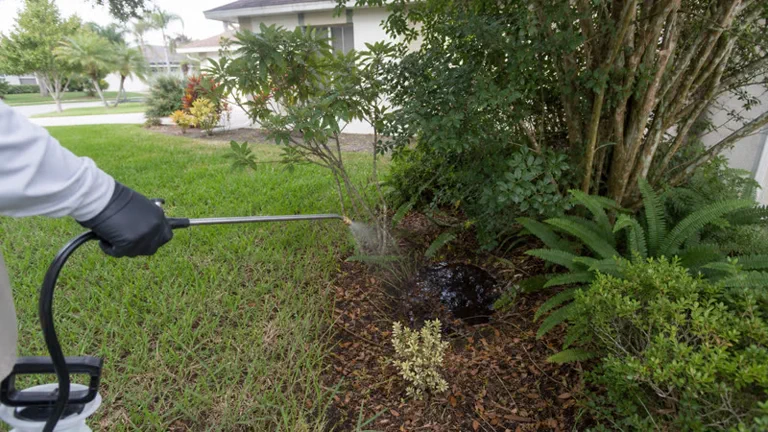
Before you call, note the outdoor area where bites are worst. Pool deck, lanai, dock, grill pad, patio table, side yard, dog run, trash area, garden bed, and event seating all give a professional a clearer starting point.
Notice the time of day. Dusk, early morning, after rain, still evenings, and windy afternoons can all point to different patterns. You do not need technical insect knowledge to explain what your family experiences.
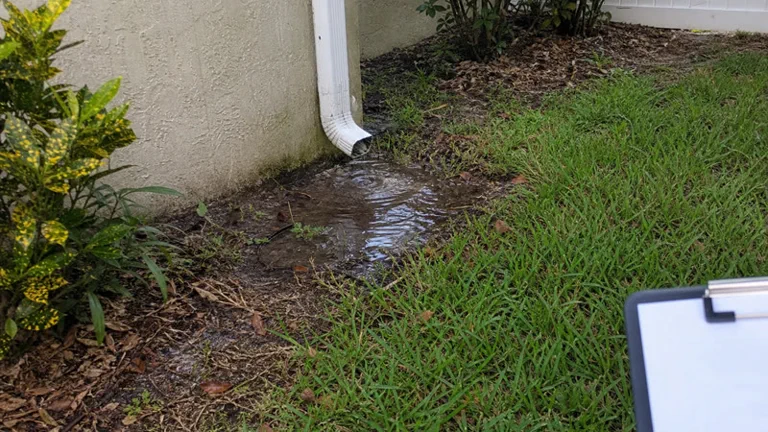
Look for simple water clues if it is safe. Plant saucers, gutters, bins, buckets, tarp folds, toys, paver dips, drainage channels, and bird baths can all hold water after Brevard storms.
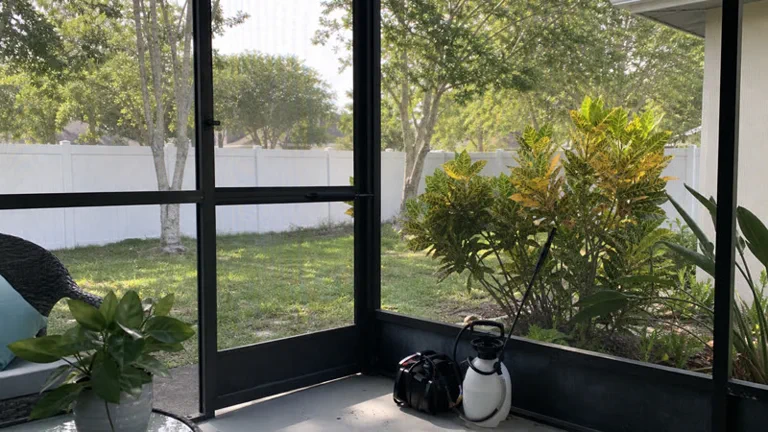
For screened rooms, note whether biting happens inside the enclosure, near a door, near a corner, or outside as people leave. Screen context matters for no-see-um and mosquito reviews.
For waterfront areas, note whether bites are worse at the dock, water edge, pool deck, or patio. Mention outdoor lights and seating areas if they seem connected.
For events, have the date, time, setup area, and guest count ready. A backyard dinner for 12 and a church event for 80 are different planning reviews.
Details to have ready before the response
Before you call, note the outdoor area where bites are worst. Pool deck, lanai, dock, grill pad, patio table, side yard, dog run, trash area, garden bed, and event seating all give a professional a clearer starting point.
Notice the time of day. Dusk, early morning, after rain, still evenings, and windy afternoons can all point to different patterns. You do not need technical insect knowledge to explain what your family experiences.
Look for simple water clues if it is safe. Plant saucers, gutters, bins, buckets, tarp folds, toys, paver dips, drainage channels, and bird baths can all hold water after Brevard storms.
For screened rooms, note whether biting happens inside the enclosure, near a door, near a corner, or outside as people leave. Screen context matters for no-see-um and mosquito reviews.
For waterfront areas, note whether bites are worse at the dock, water edge, pool deck, or patio. Mention outdoor lights and seating areas if they seem connected.
For events, have the date, time, setup area, and guest count ready. A backyard dinner for 12 and a church event for 80 are different planning reviews.
Before you call, note the outdoor area where bites are worst. Pool deck, lanai, dock, grill pad, patio table, side yard, dog run, trash area, garden bed, and event seating all give a professional a clearer starting point.
Notice the time of day. Dusk, early morning, after rain, still evenings, and windy afternoons can all point to different patterns. You do not need technical insect knowledge to explain what your family experiences.
Look for simple water clues if it is safe. Plant saucers, gutters, bins, buckets, tarp folds, toys, paver dips, drainage channels, and bird baths can all hold water after Brevard storms.
For screened rooms, note whether biting happens inside the enclosure, near a door, near a corner, or outside as people leave. Screen context matters for no-see-um and mosquito reviews.
For waterfront areas, note whether bites are worse at the dock, water edge, pool deck, or patio. Mention outdoor lights and seating areas if they seem connected.
For events, have the date, time, setup area, and guest count ready. A backyard dinner for 12 and a church event for 80 are different planning reviews.
Brevard County has a biting insect pattern that is different from a generic inland yard. Afternoon rain, brackish wind, canals, retention ponds, shaded oak edges, pool screens, and tropical plant beds can all keep pressure close to the spaces where people eat, swim, and relax. A Melbourne pool deck may flare after a wet week, while a Merritt Island dock can feel different when the evening breeze dies down. The first call should connect those local details to the outdoor space you actually use.
Mosquitoes and no-see-ums also create different frustrations. Mosquitoes are usually noticed around dusk, ankles, shaded corners, and standing water. No-see-ums can feel sharper and harder to see, especially around coastal air, small screen gaps, and waterfront seating. The right review starts with timing, location, and recent rain rather than a one-size-fits-all sales pitch.
The practical aim is to make the patio, lanai, dock, pool deck, or event space usable again. That does not require fake promises. It requires a clear request, a practical service response, and confirmation of licensing, treatment scope, product approach, access, price, and schedule before anyone is expected to commit.